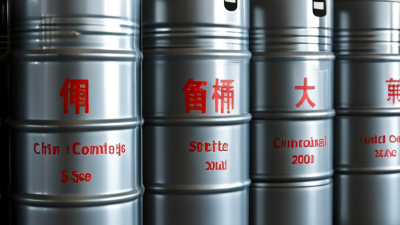
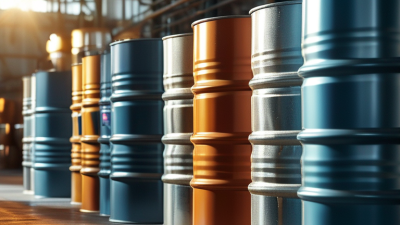
The question “What Is the Average Iron Drum Price?” sounds simple, but the market rarely offers one clean answer. A new 55-gallon steel drum may cost far more than a reconditioned model. Thickness, coating, closure style, and certification can change the quote quickly. Freight matters too. A stack of drums in a warehouse may look inexpensive until delivery fees arrive.
Dr. Susan M. Selke, a respected packaging researcher and author, offers a useful principle: “Packaging value extends beyond the package itself.” That idea fits every iron drum price comparison. Buyers should examine durability, product protection, storage conditions, and disposal requirements. A plain open-head drum may suit dry materials, while a tight-head drum may provide better protection for liquids. Small details matter. A rust-resistant lining can add cost, yet it may prevent leakage and product loss.
This guide will examine typical pricing factors without pretending that one average fits every buyer. Regional steel costs change. Supplier quantities change. Market quotes can become outdated within weeks. That is easy to overlook.
The most reliable comparison uses matching specifications. Compare new with new, reconditioned with reconditioned, and delivered prices with delivered prices. Ask about the drum’s gauge, coating, closure, pallet quantity, and warranty. Then review the supplier’s quality records. The lowest quote may not be the lowest final cost. Sometimes, it is only the least complete quote.
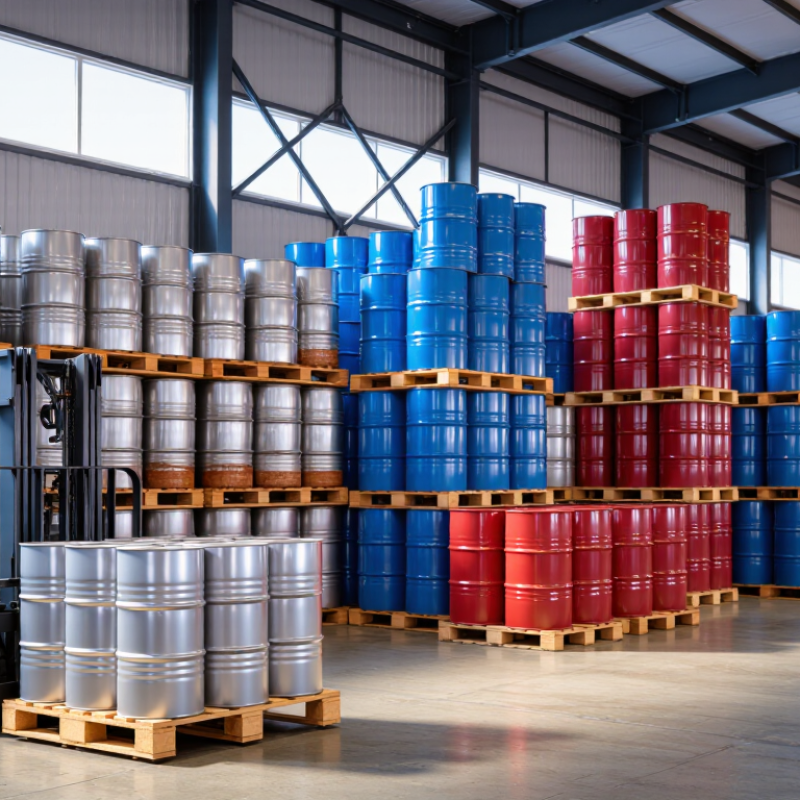
In industrial packaging, “iron drum” usually means a carbon-steel drum. The common reference size is 55 US gallons, equal to approximately 208 litres. ISO 15750 covers steel drum construction and dimensions, while the UN Model Regulations identify common types as 1A1 and 1A2. The first usually has a fixed head. The second has a removable head.
A new, plain 208-litre steel drum commonly costs about $35–$70. Open-head, lined, or reinforced versions may reach $50–$110. Reconditioned drums often sell for $15–$35, depending on inspection quality and local supply. These figures are practical market ranges, not a universal average. Freight, coatings, closures, and minimum order quantities can change the final invoice sharply. The U.S. Bureau of Labor Statistics tracks producer prices for metal containers, confirming that manufacturing costs influence packaging quotes. World Steel Association reported 1,882.6 million tonnes of crude steel production in 2024, showing the scale of the material market. Still, steel output alone cannot predict a drum’s delivered price.
Tips: Check the drum’s actual capacity, wall thickness, closure type, and certification. A “55-gallon” label may describe nominal volume, not usable fill. Leave headspace. Compare delivered prices, not unit prices. I would also request recent inspection records for reused drums. A clean appearance can mislead.

What Is the Average Iron Drum Price?
Average New Drum Prices: Typical US$40–US$120 Market Range
A new iron drum commonly costs between US$40 and US$120 in the United States. This range covers many standard industrial sizes and basic construction options. Smaller drums often sit near the lower end, while larger models cost more. A 55-gallon drum may reach US$70–US$120 when it uses thicker steel or a secure closure system.
Construction details strongly affect the final price. Steel thickness, interior coating, lid design, and corrosion resistance can change the quotation. Open-head drums usually allow easier filling and cleaning. Closed-head drums may suit liquids that need tighter containment. A removable clamp ring can also add a few dollars. Small differences matter.
Shipping can be surprisingly expensive. A drum is large, heavy, and difficult to stack efficiently. Local pickup may save US$10–US$30 per unit, depending on distance and order size. Bulk purchases often reduce the unit price, but storage costs can offset that saving. Ask for the delivered price, not only the drum price.
In my purchasing experience, a low quotation is not always the best value. I once underestimated freight and paid more than expected. That mistake still matters. Confirm capacity, steel gauge, coating, closure type, and packaging before ordering. Prices also change with material costs and regional supply, so the US$40–US$120 range should be treated as a practical guide, not a fixed promise.
| Drum Type | Nominal Capacity | Typical Construction | Common Closure | Typical New Price (US$) | Typical Applications |
|---|---|---|---|---|---|
| Small steel pail | 1–5 gallons | Light-gauge steel with a protective interior or exterior coating | Snap-on lid or lever-lock lid | US$8–US$30 | Paint, adhesives, powders, maintenance materials |
| Open-head steel drum | 15–30 gallons | Carbon-steel body with removable lid and sealing gasket | Bolt ring or lever-lock ring | US$35–US$75 | Solid materials, parts, non-hazardous industrial storage |
| Tight-head steel drum | 15–30 gallons | Sealed carbon-steel body with welded top | Threaded bung openings | US$40–US$85 | Liquids, lubricants, oils, and general industrial fluids |
| Open-head steel drum | 55 gallons / approximately 208 liters | Heavy-gauge carbon steel with removable top and gasket | Bolt ring or lever-lock ring | US$55–US$110 | Bulk solids, powders, equipment parts, and general storage |
| Tight-head steel drum | 55 gallons / approximately 208 liters | Heavy-gauge carbon steel with permanently attached top | Two threaded bung openings | US$60–US$120 | Liquids, oils, chemicals, and industrial fluids where suitable |
| Lined steel drum | 55 gallons / approximately 208 liters | Steel body with a protective polymer or epoxy lining | Open head or threaded bung configuration | US$85–US$160 | Corrosive or reactive contents requiring added interior protection |
| UN-rated steel drum | 30–55 gallons | Tested steel packaging manufactured to a specified performance level | Closure depends on the approved design | US$75–US$180 | Regulated transport and storage when the required rating applies |
Used iron drums in the United States commonly sell for about US$15–US$40 each. Reconditioned drums often cost US$35–US$70. These ranges usually cover standard 55-gallon containers, but prices change with location, quantity, and availability.
A basic used drum may show surface rust, faded paint, dents, or a damaged lid. Reconditioned units normally receive cleaning, inspection, and exterior treatment. However, “reconditioned” does not always mean factory-new. Ask what work was completed, especially around seams, closures, and the bottom ring.
Drum type also affects the quote. Open-head designs suit solid materials and easier loading. Tight-head versions work better for liquids when the closures remain secure. Transport can add a surprising amount, particularly for small orders. A US$20 drum may become much more expensive after delivery.
Tips: Request recent photos, confirm capacity, and ask about previous contents. Check for deep corrosion, pinholes, sharp edges, and unstable rims. If the drums will hold sensitive materials, request written cleaning details and suitability information. Do not rely on color alone; paint can hide defects.
Prices are not perfectly predictable. A cheaper drum may need extra handling or disposal preparation, while a higher-priced unit may offer cleaner surfaces and fewer defects. Compare the delivered cost, not only the listed price.
The average steel drum price usually ranges from $50 to $180 per unit. The final cost depends on capacity, condition, certification, and order quantity. A basic open-head drum often costs less than a closed-head model. A UN-rated drum usually costs more because it must meet tested performance requirements. Prices also change with shipping, regional steel costs, and surface treatment.
UN 1A1 drums use a non-removable head and suit liquids. UN 1A2 drums have a removable head and support easier filling and cleaning. The required rating can change the price significantly. Steel gauge matters too. Thicker steel improves impact resistance and durability. It also adds weight and manufacturing cost. A heavier drum is not always the best choice. The contents, handling method, and storage environment should guide the decision. A rough estimate helps, but it can still mislead.
Tips
Compare identical sizes and specifications before judging price. Check the UN marking, steel thickness, closure type, gasket material, and test documentation. Bolt-ring closures may cost more than simple plugs, but they can provide better sealing and access. Ask whether the quote includes lids, plugs, coatings, and delivery. I would not accept the lowest offer automatically. Missing details often appear later as extra costs. Some buyers also overlook pallet requirements and storage space. That mistake is common.
A standard steel iron drum usually costs between $35 and $120 when purchased new. A used or reconditioned drum may cost $20 to $70. Size, wall thickness, lid design, and lining affect the base price. In many markets, buyers overlook freight. A drum can be affordable at the supplier’s warehouse but expensive after delivery. Freight rises sharply when the order travels across regions or requires special handling. Local availability often matters more than a small unit-price discount.
Volume can reduce the price per drum, especially when pallets or full truckloads are purchased. However, storage space and unloading equipment create extra costs. Regional taxes also change the final invoice. Some areas apply different sales taxes, environmental charges, or container deposits. Recycling fees may appear when drums are collected, cleaned, or processed after use. These charges are not always shown in the first quotation. That makes comparisons imperfect. A low headline price may hide expensive after-sales costs.
Tips: Request a delivered price, not only a factory price. Ask for separate lines covering freight, taxes, deposits, and recycling fees. Confirm whether the drum is new, reconditioned, or previously used. Check the thickness and closure type before comparing offers. One practical mistake is comparing different specifications as if they were identical. A simple spreadsheet helps, although it can still miss seasonal freight changes. Get written terms from a qualified supplier.