
What Is the Best Iron Drum Price in China?

China’s iron drum price is rarely a single, stable number. It changes with steel costs, drum capacity, coating, order volume, and delivery terms. A 200-liter open-head drum may look similar across suppliers, yet its steel thickness and closure system can differ greatly.

China remains a major steel manufacturing center. The World Steel Association reported approximately 1.019 billion tonnes of crude steel production in China during 2023. This industrial scale supports competitive packaging production, but it does not guarantee the lowest export price. Steel grade, galvanized or painted finishes, and production efficiency still influence each quotation.

Prices move quickly.

The World Bank Commodity Markets Outlook tracks major industrial commodity trends, including metals that affect steel packaging costs. UN Comtrade data also helps buyers compare China’s export activity for metal containers and related products. These sources provide useful market context, not a final supplier quote.

A practical evaluation should compare more than the factory price. Check the drum’s net weight, internal lining, UN certification where required, gasket material, pallet method, and destination port. Freight, insurance, taxes, and currency changes can alter the landed cost substantially. A supplier offering a cheaper drum may use thinner steel or exclude important accessories.

This article examines the main factors behind China’s iron drum price. It also explains realistic price ranges, quotation differences, and supplier verification methods. Some estimates remain imperfect because specifications vary between factories. That uncertainty deserves attention. A reliable decision combines current market data, technical documents, sample inspection, and transparent commercial terms.

What Is the Best Iron Drum Price in China?

Understanding Iron Drum Types, Sizes, and Material Specifications

What Is the Best Iron Drum Price in China?

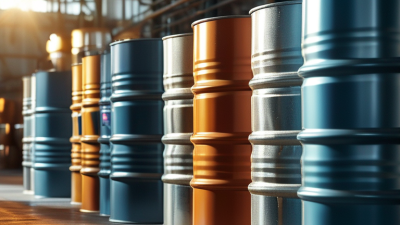
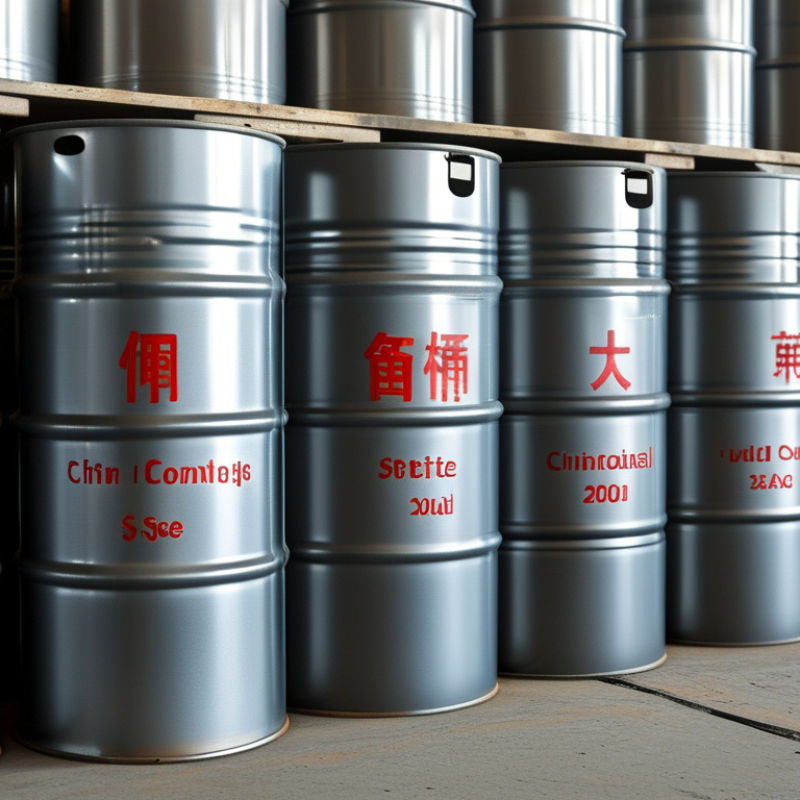
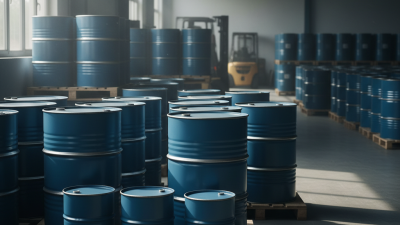
Iron drum pricing depends on type, volume, steel grade, wall thickness, and surface treatment. The common 200-liter or 210-liter drum usually comes as an open-head or tight-head model. Open-head drums use removable covers and clamp rings. Tight-head drums have fixed tops with two threaded openings.

A practical China export benchmark is about US$18–35 for a plain 200-liter carbon-steel drum. Heavier walls, galvanized surfaces, internal linings, and certified closures can raise the price above US$40. These figures are working estimates, not firm quotations. Steel costs change quickly. The World Steel Association reported approximately 1.88 billion tonnes of crude steel production in 2024, showing the scale of the supply base but not guaranteeing stable drum prices.

Material specifications deserve closer attention than a low unit price. Many industrial drums use cold-rolled or galvanized steel, with wall thicknesses commonly ranging from 0.6 to 1.2 millimeters. Thicker steel improves stacking strength, but it also increases freight weight. ISO 15750 specifies requirements for steel drums, including dimensions, closures, and performance testing. The UN Recommendations on the Transport of Dangerous Goods also distinguish packaging performance levels. However, not every shipment needs the same certification.

I would request a steel grade, thickness tolerance, net weight, coating details, and leak-test method. A supplier may quote a cheap drum with thinner steel. That difference is easy to miss. It may also create handling problems later. Quantity, port, paint color, and pallet design should appear in the final quotation.

Key Factors That Influence Iron Drum Prices in China

Iron drum prices in China are shaped by more than factory quotations. Steel usually dominates the cost, often accounting for 55% to 70% of a standard drum’s production value. The World Steel Association reported that China produced about 1.005 billion tonnes of crude steel in 2024. This huge capacity can support competitive pricing, but regional supply, plate thickness, and mill utilization still create noticeable differences. A 0.8 mm drum cannot reasonably match a 1.2 mm model.

Surface treatment also matters. Galvanized steel, internal coatings, welded seams, and leak-testing add labor and material costs. UNCTAD’s Review of Maritime Transport 2024 noted that shipping disruptions increased voyage distances and ton-mile demand by roughly 6% during part of 2024. Freight, insurance, and container availability can therefore change the landed price, even when the factory price stays stable. Exchange rates matter too.

Tips: Ask for a cost breakdown, not only a unit price. Confirm steel thickness with a tolerance range. Request recent inspection records and sample testing. Include packaging, inland transport, coating, and export documentation in the quotation. I have seen buyers compare two identical-looking drums and miss a major weight difference. That mistake is easy to repeat. Price data reports guide decisions, but a verified sample remains more reliable than a spreadsheet. Bulk volume lowers production costs, although storage and cash-flow pressure may offset the saving.

What Is the Best Iron Drum Price in China? — Key Factors That Influence Iron Drum Prices in China
Drum Type Typical Capacity Typical Steel Thickness Surface Treatment Common Application Indicative China FOB Price
(USD per Unit)
Typical MOQ Main Price Influences
Open-Head Steel Drum 60 L 0.6–0.8 mm Painted exterior; removable cover with clamp ring Powders, solid chemicals, food ingredients and general industrial materials $8–$14 100–300 units Steel weight, cover design, gasket material and printing requirements
Open-Head Steel Drum 200 L 0.8–1.2 mm Painted or internally lacquered Solid products, viscous materials and industrial chemicals $18–$30 100–300 units Wall thickness, internal coating, closure type and order volume
Tight-Head Steel Drum 200 L 0.8–1.2 mm Painted exterior; fixed top with threaded openings Liquids, lubricants, solvents and non-food industrial fluids $17–$29 100–300 units Number and size of openings, leakage testing, coating and steel market prices
Galvanized Steel Drum 200–210 L 0.8–1.2 mm Zinc-coated exterior Materials requiring improved external corrosion resistance $27–$45 100–300 units Zinc coating weight, steel thickness, surface quality and corrosion-resistance requirements
UN-Approved Steel Drum 200–210 L 1.0–1.5 mm Painted or internally coated; tested closures Regulated transport of hazardous liquids or solids $25–$42 300–500 units UN performance testing, packaging group, sealing system and certification costs
Small Steel Drum 25–50 L 0.5–0.8 mm Painted, printed or internally lacquered Lubricants, coatings, chemicals and smaller-volume products $6–$12 300–500 units Diameter, lid structure, decoration, inner coating and packaging method
Food-Grade Steel Drum 200 L 0.8–1.2 mm Food-contact internal lacquer; clean painted exterior Edible oils, syrups, ingredients and other food-related materials $24–$40 300–500 units Food-contact coating, cleanliness controls, documentation and inspection standards
Reconditioned Steel Drum 200 L Varies by previous use Cleaned, inspected and repainted Non-critical industrial storage and material handling $8–$18 50–200 units Condition, cleaning process, previous contents, leak testing and local availability
Pricing reference: The ranges above are indicative China FOB benchmarks for standard steel drums and are not fixed quotations. Actual prices can change with steel costs, exchange rates, order quantity, customization, compliance requirements, inland transport, port charges and destination-specific freight. “Best price” generally means the lowest total cost that still meets the required capacity, steel thickness, coating, safety standard and delivery terms.

Typical Price Ranges by Drum Capacity, Design, and Quantity

What Is the Best Iron Drum Price in China?

China’s iron drum prices vary with capacity, steel thickness, surface treatment, and order quantity. Based on recent supplier quotations and 2024 steel-cost references from the World Steel Association, typical FOB ranges are:

30-liter drums: 12–22 US dollars each.
60-liter drums: 16–30 US dollars each.
120-liter drums: 24–45 US dollars each.
200-liter open-head drums: 32–65 US dollars each.

Small drums often cost more per liter. Their forming, testing, and handling expenses remain significant. Tight-head designs usually cost less than removable-lid models. Galvanized surfaces, internal coatings, and UN-certified construction can add 10–35 percent. Stainless steel versions are far more expensive and should not be compared directly.

Quantity changes the negotiation point. A trial order of 100–300 drums may receive limited discounts. Orders above 1,000 units commonly reduce unit pricing by 5–15 percent, depending on specifications and packaging. UN Comtrade trade data can help compare broader metal-container flows, but it does not replace a factory quotation. Freight also matters. A low FOB price may become expensive after inland transport, testing, and port charges.

In practice, request steel thickness, tare weight, coating details, lid type, and inspection records. Otherwise, comparisons become unreliable. I have seen buyers focus on price per drum and overlook leakage testing. That is a costly mistake. Prices also change with steel markets, exchange rates, and container availability, so these ranges need fresh confirmation before purchasing.

How to Compare Chinese Suppliers and Verify Product Quality

What Is the Best Iron Drum Price in China?

A low iron drum price does not always mean better value. Compare suppliers using identical specifications, including capacity, steel thickness, closure type, coating, and surface finish. Request a detailed quotation with tooling, packaging, inspection, and shipping costs listed separately. Ask for evidence.

Experienced buyers should examine factory capability before discussing discounts. Request recent production photos, material certificates, and test records from an independent inspection service. A reliable supplier should explain its quality process clearly, from steel cutting to leak testing. Vague answers deserve caution.

Order samples from two or three shortlisted suppliers. Weigh each drum and measure its wall thickness with a calibrated gauge. Check the lid fit, seam appearance, weld consistency, and coating adhesion. Fill the sample with water and inspect it after transport simulation. Small dents can reveal weak packaging. Measure twice.

Compare sample results against the approved specification, not attractive catalog images. Confirm batch traceability and production lead times in writing. Payment terms also matter, because a cheaper offer may hide higher financial risk. I once focused too heavily on unit price and underestimated inland freight. That mistake changed my comparison sheet.

Use a written inspection plan before placing a larger order. Include acceptable tolerances, sampling levels, rejection procedures, and corrective actions. Suppliers may resist detailed checks, but serious manufacturers usually welcome measurable standards. No supplier is perfect. Careful verification reduces unpleasant surprises.
Calculating Shipping, Taxes, and the Total Purchase Cost

A competitive iron drum price in China is only the starting figure. A 210-liter steel drum quoted at USD 14 may become much more expensive after delivery. World Steel Association data reports that global crude steel production reached about 1.89 billion tonnes in 2023. That scale does not guarantee stable drum prices. Steel coils, coatings, labor, and order volume still influence each quotation.

Freight is not fixed. For 1,000 drums, imagine a USD 14,000 factory invoice, USD 3,200 ocean freight, and USD 400 cargo insurance. The customs value may therefore reach USD 17,600. With a hypothetical 5% import duty, tax would be USD 880. Add port handling, documentation, inland delivery, and inspection at USD 1,100. The estimated landed cost becomes USD 19,580, or USD 19.58 per drum. It is only a working model, not a final customs assessment.

The World Bank’s Logistics Performance Index 2023 highlights delays at borders, transfers, and shipment handling. Those delays can create storage charges and missed production schedules. UNCTAD’s Review of Maritime Transport also shows that shipping conditions remain sensitive to disruptions and capacity changes. Ask suppliers for FOB and CIF prices separately. Check drum weight, pallet design, container loading, insurance limits, and the correct tariff classification. My first estimate would probably ignore local fees. Small errors multiply. Taxes also differ by destination, product specification, and importer status, so a licensed customs broker should verify the final calculation before payment.