Choosing the right cast iron drum is rarely a simple matter of weight, price, or appearance. Global buyers must examine casting quality, wall thickness, corrosion protection, load ratings, machining accuracy, and replacement support. A drum that looks solid under showroom lights may reveal porosity, uneven surfaces, or poor balance during real operation. Small details matter.
Industry evidence supports careful evaluation. The World Foundry Organization’s 2023 World Census of Casting Production highlights the enormous scale and international complexity of modern metal casting. Meanwhile, the U.S. Geological Survey’s Mineral Commodity Summaries 2024 reports continuing pressure across iron, steel, energy, and raw-material supply chains. These conditions can influence cast iron drum pricing, delivery schedules, and material consistency. Certification, traceability, and inspection records deserve attention.
Dr. John Campbell, a leading casting researcher, stated, “The quality of a casting is determined by the quality of the liquid metal.” That principle remains highly relevant. Buyers should ask about melt control, testing methods, heat treatment, and dimensional inspection before comparing seven products. Not every popular model is the best fit. Some rankings may also overlook local service, climate exposure, or unusual operating loads. That is worth questioning.
This guide compares seven cast iron drum options for international buyers. It considers construction, performance, maintenance, supplier transparency, and total ownership cost. The strongest choice may not be the heaviest one. It should be the most dependable match for the application.
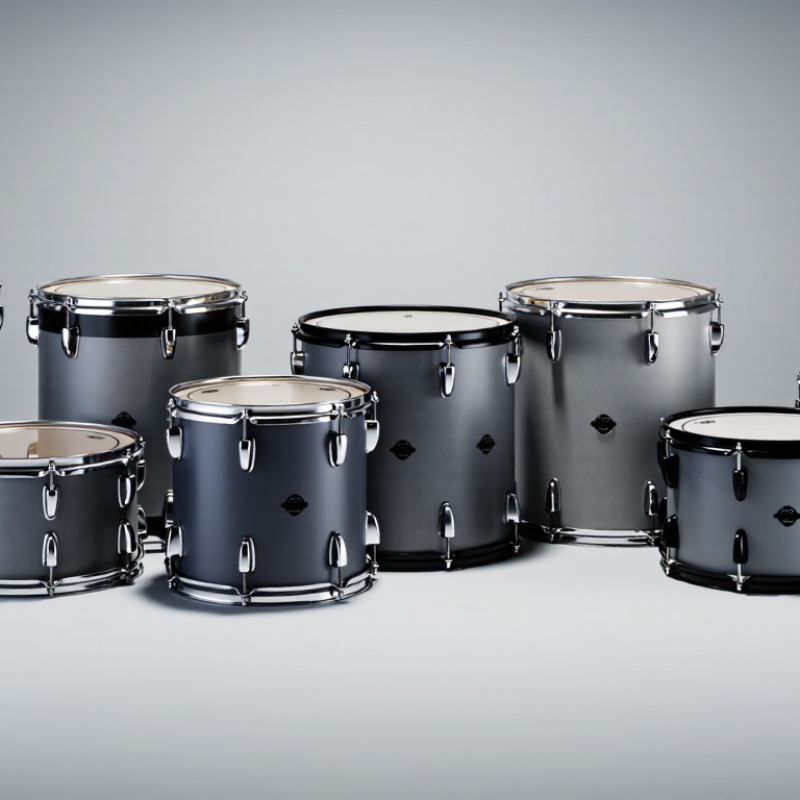
Cast iron drums usually refer to brake drums, not storage containers. They are circular components that rotate with a vehicle wheel. Brake shoes press against their inner surface, creating friction and slowing the vehicle. Gray cast iron remains common because it offers good heat absorption, vibration damping, and relatively low manufacturing cost.
The World Foundry Organization’s 2023 Census reported about 109.7 million tonnes of castings produced worldwide in 2022. This scale reflects cast iron’s continuing role in transport and industrial equipment. Brake drums are used in trucks, buses, trailers, agricultural machines, and some passenger vehicles. Their performance depends on wall thickness, alloy composition, machining accuracy, and heat-treatment control. A drum can look strong but still develop cracks after repeated thermal cycling. That detail is easy to overlook.
Tips: Confirm the vehicle’s axle load, drum diameter, mounting pattern, and approved replacement dimensions. Ask for material specifications and test records, including hardness and crack inspection results. SAE guidance and regional vehicle standards can support safer selection, but local requirements may differ. Do not compare drums by weight alone. Excess material may improve durability, yet it can increase rotating mass and fuel consumption. I would also inspect the braking surface for scoring, uneven wear, and blue heat marks before installation. In practice, catalog data is useful, but real operating temperature and maintenance quality often decide service life.
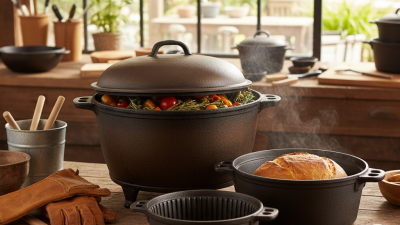
The seven best cast iron drum types for global buyers depend on load, rotation, and working conditions. A solid-wall process drum suits heavy materials and steady rotation. A perforated drum supports washing, screening, or controlled drainage. A slotted drum offers wider openings for separating larger particles. Ribbed drums improve stiffness under repeated loads. Flanged drums connect more securely with shafts and drive assemblies. Lined drums help handle moisture, chemicals, or abrasive media. Compact test drums fit laboratories and small production lines.
Each type needs careful inspection. Check the casting for cracks, deep pits, and uneven wall thickness. Measure the drum diameter and shaft opening, not only the listed model size. Experienced buyers also review balance data, surface treatment, and replacement-part availability. Grey cast iron may absorb vibration well, but ductile iron can provide greater impact resistance. The better choice depends on the operating load. Sometimes the cheapest casting becomes expensive after installation.
Tips: Request material certificates, dimensional drawings, and factory inspection photos before ordering. Confirm packaging protection for sea transport. Ask whether the coating matches the working environment. Verify local import, safety, and machinery requirements with a qualified engineer. A practical trial is valuable. One overlooked detail can delay an entire production line.
When comparing the 7 best cast iron drums for global buyers, size should match the working space and handling method. Measure the outer diameter, total height, and base clearance, not only the listed volume. A 200-liter drum may hold less usable material after fittings and internal supports. Check lifting points, wall thickness, and empty weight before ordering. It matters during unloading.
Capacity is only part of the decision. Cast iron offers strong heat retention and good resistance to mechanical stress, but it is heavy and can crack under sharp impact. Ask for the iron grade, casting method, hardness data, and inspection records. A reliable supplier should provide dimensional tolerances and test results. Photos help, but they do not replace measurement reports. I once trusted a product image too quickly.
Surface treatment changes service life. A powder-coated exterior can improve appearance and reduce surface corrosion, while an oil-treated finish may suit short-term storage. For humid routes, inspect coating thickness, edge coverage, and drain-hole protection. Rough internal surfaces can trap moisture and complicate cleaning. Specify your storage climate, temperature range, and contact requirements in writing. Small details matter.
Compare delivered weight, packing strength, and replacement-part availability as well. A thick drum may last longer, yet increase freight costs and handling risks. Some buyers focus on capacity alone. That is an expensive shortcut. Leave room for uncertainty, because casting quality can vary between production batches. Request a recent sample inspection before committing to a large shipment.
Cast iron drums need more than a strong wall and a clean finish. Global buyers should match every claim to the drum’s design, closure, lining, and destination. For lawful industrial materials, request the relevant UN performance specification when transport rules require it. Check the performance mark, design type, test pressure, drop-test level, and certificate scope. Do not assume a steel-drum standard automatically covers cast iron. ISO 15750 addresses steel drums, so its relevance must be confirmed. That distinction is easy to miss.
UNCTAD’s Review of Maritime Transport 2023 reports that over 80% of global merchandise trade by volume moves by sea. Therefore, buyers should verify compatibility with applicable land, sea, or air transport rules. Ask for laboratory reports from an ISO/IEC 17025-accredited facility. Confirm the report matches the exact drum model, capacity, closure, and lining. If the drum holds food or sensitive materials, request applicable food-contact declarations, such as EU or United States requirements. CE marking alone does not prove drum safety. If the container is designed for pressure, ordinary packaging certificates may be insufficient.
Tips: Photograph the identification mark before shipment. Compare it with the certificate. Check the manufacturing date, wall-thickness readings, gasket material, and torque instructions. A polished certificate can still hide a mismatch. I would also request a sample inspection, because small casting pores or uneven lids may appear after transport vibration.
This compliance matrix shows whether each framework directly addresses dangerous-goods packaging performance testing, marking and labeling, transport-mode requirements, and an approval or certification route. A value of 1 means the topic is directly addressed; 0 means the framework is not itself an approval route for that topic. Actual requirements depend on the contents, UN packaging instruction, drum design, destination market, and transport mode.
Reference frameworks: UN Recommendations on the Transport of Dangerous Goods, U.S. 49 CFR Parts 171–180, ADR, RID, IMDG Code, IATA Dangerous Goods Regulations, and ISO 16104:2003.
Choosing a dependable cast iron drum supplier requires more than comparing prices. Request material specifications, wall thickness, capacity, closure design, and surface treatment. Ask for proof. Factory photographs, recent inspection records, and production samples can reveal inconsistencies. A serious supplier should explain testing methods clearly. Confirm whether the drum is fully cast iron or includes steel components. This detail affects weight, corrosion behavior, and handling costs.
International shipping needs equal attention. Calculate the packed weight, pallet dimensions, and container loading plan before placing an order. A small design change can add hundreds of kilograms to a shipment. Confirm the agreed Incoterm, delivery port, insurance responsibility, and customs documents in writing. Commercial invoices, packing lists, certificates of origin, and product test reports should match the shipment exactly. Keep records. Vague paperwork can delay clearance.
Use protective separators and moisture-resistant wrapping for long sea routes. Check whether lids, handles, and sealing rings need separate protection. Ask the supplier to mark gross weight and lifting points visibly on each package. Pre-shipment inspection is worthwhile, especially for a first order. It should verify dimensions, coating condition, quantity, and packaging. Yet inspection is not a guarantee. I have seen buyers focus heavily on factory quality while overlooking port storage fees and local unloading limits. Build those costs into the landed price, and leave room for unexpected delays.