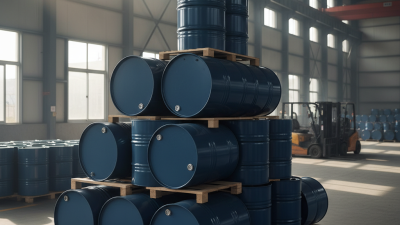
Top Empty Iron Drum Suppliers and Prices?
Choosing the right empty iron drum is more complicated than comparing two prices. A 200-liter drum may look identical in a supplier’s photograph, yet its steel thickness, internal coating, closure type, and manufacturing quality can differ significantly. These details affect durability, storage safety, transport performance, and long-term value.
Dr. Susan Selke, a respected packaging researcher, has emphasized, “Packaging is a system, not merely a container.” That principle applies directly here. An empty iron drum is not simply a metal cylinder. It is part of a wider handling system involving filling equipment, pallets, warehouse conditions, and final disposal or reuse. A reliable supplier should clearly state the drum’s capacity, gauge, head style, surface finish, coating, and testing information. Ask for current photographs and written specifications.
Prices often vary by region, order volume, steel grade, printing, and delivery distance. Standard open-head drums may cost less than closed-head models with specialized linings. Reconditioned drums can reduce spending, but their history and inspection records require careful review. A low quotation can look attractive. It may not be the better deal.
This guide compares leading empty iron drum suppliers, common product types, and realistic price factors. It also highlights questions buyers sometimes forget to ask. The market changes quickly, and published prices can become outdated. Therefore, treat every estimate as a starting point, not a promise. Small details often decide the final cost.
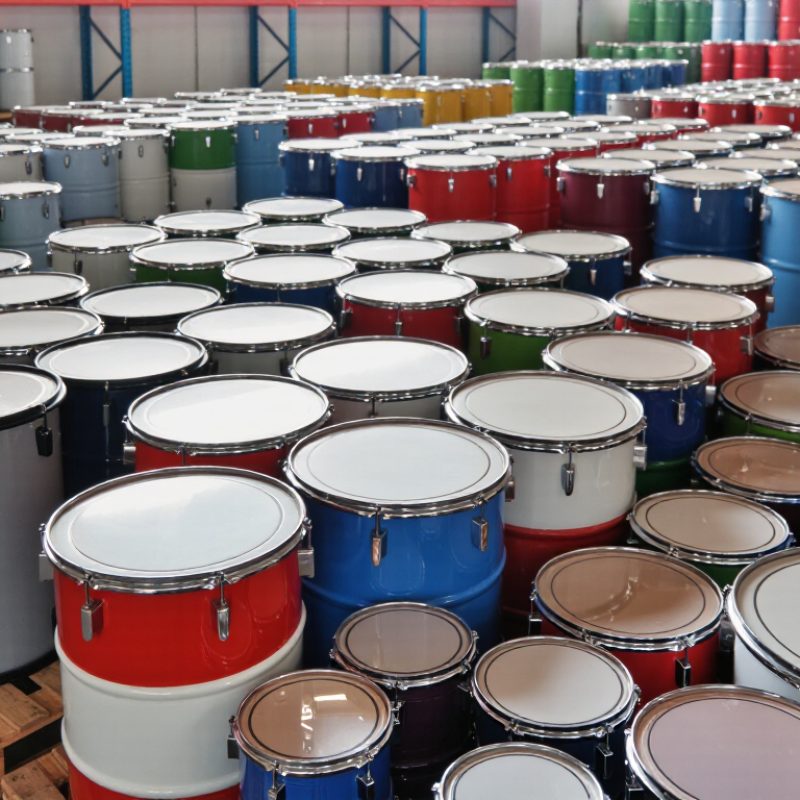
Types of Empty Iron Drums and Their Common Industrial Uses
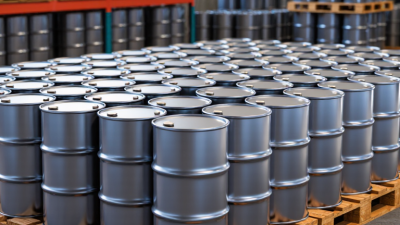
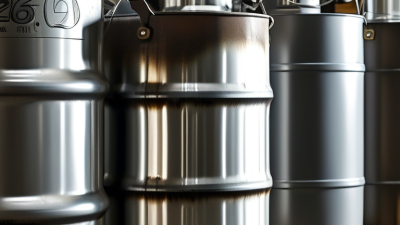
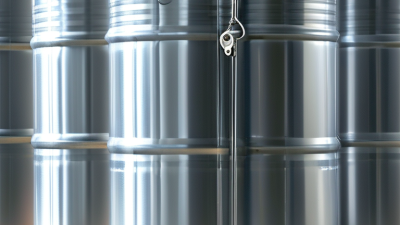
Empty iron drums, commonly called steel drums, serve different industrial needs. Open-head drums have removable lids and clamp rings. They suit powders, viscous materials, lubricants, and maintenance compounds. Tight-head drums use fixed tops with small openings. They are better for liquids, including oils, coatings, and process fluids. Galvanized drums resist exterior corrosion, while epoxy-lined drums protect contents from steel contact.
Dimensions matter too. The common 200-liter format fits many warehouse racks and transport systems. Smaller 60-liter and 120-liter drums support laboratories, workshops, and controlled batch handling. ISO 15750 provides specifications for steel drums, including closures, dimensions, and performance testing. Buyers should check wall thickness, bung design, lining, and certified load limits. A shiny surface proves little.
Prices change with steel costs, order volume, coatings, and freight distance. The World Steel Association reported about 1.89 billion tonnes of crude steel production in 2023, showing the scale behind material pricing. The U.S. EPA’s 2021 data recorded a 70.9% recycling rate for steel packaging. Reconditioned drums may reduce costs, but inspection quality varies. A low quote can mislead. I would request leak tests, coating details, and photographs of the interior. One overlooked dent can disrupt stacking, handling, and filling operations.
Leading Empty Iron Drum Suppliers by Region and Product Range
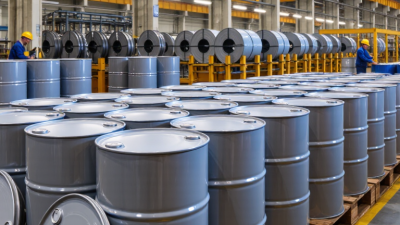
Empty iron drum suppliers vary widely by region, production scale, and available product range. Asian manufacturers often provide competitive prices for large orders, with open-head and closed-head drums in 20, 30, and 55-gallon sizes. European suppliers may charge more, but they often emphasize precise dimensions, recycled steel options, and consistent surface treatment. North American suppliers can reduce delivery times for local buyers and may offer custom colors, fittings, and smaller quantities.
Prices depend on steel thickness, coating, lid design, order volume, and freight distance. A basic unlined drum usually costs less than a chemically resistant or heavily coated model. Ask for a full quotation, not only the unit price. Include tooling, pallets, inspection, insurance, and delivery fees. Regional distributors may cost slightly more, yet they can simplify communication and after-sales support. That trade-off matters.
Tips: Request production samples before placing a large order. Check wall thickness, seam quality, lid fit, and rust protection. Confirm the supplier’s inspection records and packaging method. Keep written specifications for every shipment. I have found that buyers sometimes focus too heavily on price. That can be a costly mistake. Supplier claims still need verification.
How to Select a Reliable Supplier for Empty Iron Drums
Selecting a reliable empty iron drum supplier requires more than comparing the lowest price. Check the drum’s steel grade, wall thickness, capacity, closure type, and surface treatment. A dependable supplier should provide clear specifications, inspection records, and production photos. Ask whether the drums are new, properly sealed, and suitable for your intended material. Small differences in thickness can affect stacking safety and transport costs.
In purchasing work, I have found that a detailed quotation prevents many disputes. Request prices by quantity, delivery location, packaging method, and payment terms. Confirm whether taxes, loading fees, and freight are included. A supplier should answer technical questions directly, not only promise a cheap offer. Review sample quality before placing a large order. My first comparison focused too heavily on unit price. That was a mistake. The cheaper drums required stronger handling controls.
Tips: Ask for a physical sample. Measure the rim, body, and lid. Check for dents, rust, uneven seams, and sharp edges. Verify the supplier’s quality process through recent records or an independent inspection. Also, discuss replacement procedures for damaged drums. Reliable communication matters. If replies remain vague, reconsider the order. Leave room for price changes in steel and transportation, but require written confirmation before production begins.
Top Empty Iron Drum Suppliers and Prices: Selecting a Reliable Supplier
Typical wholesale price ranges for new carbon-steel drums vary by nominal capacity, wall specification, coating, closure type, order volume, and delivery terms. The figures below are indicative USD ranges per unit and should be confirmed with supplier quotations.
When comparing suppliers, evaluate UN certification where required, steel thickness, internal and external coating, leak-test records, packaging, minimum order quantity, production lead time, and inspection or sampling procedures—not price alone.