How to Choose a Lohe Ka Drum in 2026?
Choosing the right lohe ka drum in 2026 requires more than comparing prices. The drum must match its material, storage conditions, transport method, and expected service life. A container for lubricants needs different protection than one used for dry powders or industrial water. Small details matter. Check the steel grade, wall thickness, internal coating, closure type, and top design before ordering.
Ravi Mehta, an independent steel-packaging consultant with more than two decades of field experience, says, “A strong drum is not always the best drum; compatibility and traceability decide its real value.” His point deserves attention. A thick drum may resist dents, yet it can add unnecessary weight and handling costs. A cheaper model may appear practical, but weak seams or poor paint can create problems within months. I have seen buyers focus on capacity and overlook the lid gasket. That mistake can become expensive.
This guide explains how to assess a lohe ka drum for modern industrial use. Look for consistent welding, clean rolled edges, secure closures, and corrosion-resistant finishes. Ask suppliers for test reports, batch information, and applicable certification documents. Confirm whether the drum is suitable for the intended contents and local transport requirements. Do not assume every “heavy-duty” label means dependable performance. Sometimes, the label hides very little evidence. A careful inspection remains necessary. Your final choice should balance safety, durability, handling, recyclability, and total ownership cost. There is no perfect drum. There is only a better-informed decision.
Match 20–210 L Capacity to Product Density and Handling Loads
How to Choose a Lohe Ka Drum in 2026?
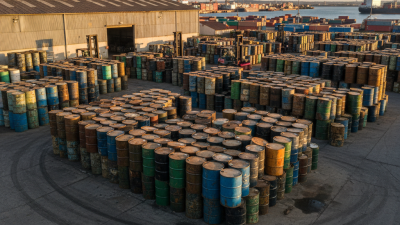
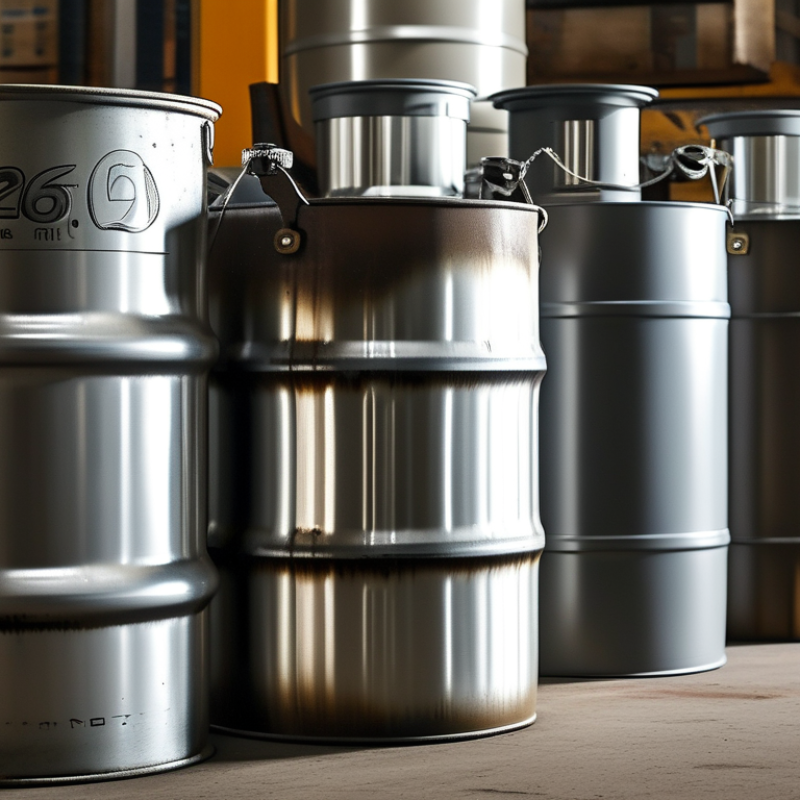
A lohe ka drum should match both product density and handling loads. Common capacities range from 20 to 210 litres. A 20-litre drum suits dense powders, laboratory materials, or small-batch liquids. A 60-litre model is easier to lift manually. Larger 200–210-litre drums work better for bulk liquids and industrial solids. However, volume alone can mislead. A dense powder may overload a small drum before it reaches its visible capacity.
Calculate the product mass first. For example, 210 litres of a 1.2 kg/L liquid creates about 252 kilograms of contents. Add the drum’s tare weight, then check pallet, forklift, and rack limits.
ISO 15750-1 specifies key requirements for steel drums, including dimensions and closure performance. The UN Recommendations on the Transport of Dangerous Goods also stress packaging integrity, marking, and tested performance. These standards do not replace site-specific load checks.
Handling data matters. The World Bank’s 2023 Logistics Performance Index highlights reliable transport, tracking, and delivery as core logistics factors. A heavier drum can slow loading and increase manual-handling risk. Use mechanical aids for high-load units. Small drums may seem inefficient, yet they reduce spill exposure and lifting strain. I would not choose 210 litres simply because it offers fewer containers. Product viscosity, headspace, stack height, and warehouse equipment can change the correct answer. Test one filled drum under real handling conditions before ordering thousands.
Choose Open- or Tight-Head Designs Under ISO 15750 Packaging Criteria
How to Choose a Lohe Ka Drum in 2026?
A lohe ka drum should match ISO 15750 packaging criteria, not only its capacity. Open-head drums have removable covers and suit solids, powders, and frequent access. Tight-head drums use fixed tops with small openings. They work better for liquids and controlled pouring. I have found that lid handling often matters more than advertised volume.
Check the drum body, closure, gasket, and seam carefully. ISO 15750-1 covers removable-head steel drums, while ISO 15750-2 addresses non-removable-head designs. Ask for test records, dimensions, coating details, and stacking limits. A 210-litre drum may still fail your process if the filling nozzle does not fit. Small details hurt.
World Steel Association statistics recorded about 1.84 billion tonnes of crude steel production in 2024. That scale supports steel availability, but it does not guarantee consistent drum quality. Metal Packaging Europe reported European steel packaging recycling above 80%, supporting steel’s circular-use advantage. However, recycling performance varies by region and collection system. I would recheck local requirements before ordering. ISO alignment alone may not cover transport, storage temperature, or chemical compatibility. Choose open-head access for inspection-heavy work, and tight-head protection where leakage control is the harder problem.
Compare Leak, Stack, and Drop Performance Under UN 6.1.5 Tests
How to Choose a Lohe Ka Drum in 2026?
A lohe ka drum, or steel drum, should be judged by test evidence, not appearance. Under UN 6.1.5 performance testing, leak, stack, and drop results reveal different weaknesses. A drum may look solid yet fail around the closure or seam. Check the certified design type, capacity, material thickness, closure method, and intended packing group before comparing prices.
Leak testing focuses on tightness under pressure. Inspectors often watch the bung, gasket, flange, and weld areas closely. A slow seep is still a failure. For practical checking, keep the drum upright, examine the base, and inspect after temperature changes. This detail is easy to miss. It matters.
Stack testing measures whether loaded drums resist compression for the required period. Look for buckled shoulders, distorted lids, or flattened chimes after testing. Drop testing is less forgiving. A filled drum may strike a corner, deform, and still need to retain its contents. In warehouse trials, I prefer observing damaged samples rather than trusting photographs. One limitation remains: results can change with closure torque, filling density, and temperature. That deserves more attention. Select a drum whose tested configuration matches your real filling and transport conditions, then verify markings and inspection records with a qualified packaging specialist.
How to Choose a Steel Drum in 2026?
Comparing leakproofness, stacking, and drop-test conditions under UN 6.1.5
The chart shows the standardized minimum challenge conditions commonly used for UN 6.1.5 performance testing: leakproofness pressure, drop height, and stacking duration by packing group. Packing Group I represents the highest danger level, while Packing Group III represents the lowest. These are regulatory test conditions, not brand-specific product results; the current applicable regulation and competent-authority requirements should be checked before selection.