China Top 10 Empty Iron Drum Manufacturers?
Empty iron drum manufacturing is a practical test of steelworking, coating control, and quality assurance. Buyers comparing China’s leading suppliers should look beyond polished factory photos. They need evidence: production capacity, material specifications, weld inspection, coating consistency, and documented quality checks. A drum may look uniform on a showroom floor. The seams and interior finish tell a fuller story.
The scale of steel production provides useful context, but not a direct measure of drum output. World Steel Association data reports that global crude steel production reached about 1.89 billion tonnes in 2023. That figure describes the wider materials industry; it does not establish how many empty iron drum manufacturers operate in China. This distinction matters. Supplier rankings should be checked against verifiable company records, product specifications, and current certifications rather than unsupported market estimates.
A useful expert quotation also requires a traceable source. Without a verifiable named specialist and published statement, assigning a quotation would risk misleading readers. This guide therefore treats supplier claims as claims to verify—not as proven facts. The comparison that follows focuses on visible, practical criteria, including drum sizes, closure systems, surface protection, customization, and export experience. Small differences count. A coating blemish or inconsistent seam can affect a buyer’s confidence, even when a brochure looks convincing. Manufacturers change, too, so any shortlist deserves fresh checks.
Definition and Role of Empty Iron Drums in Industrial Packaging
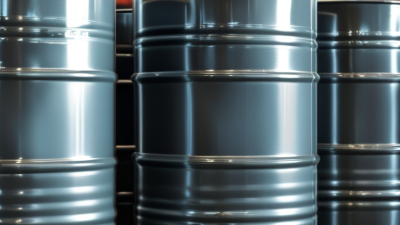
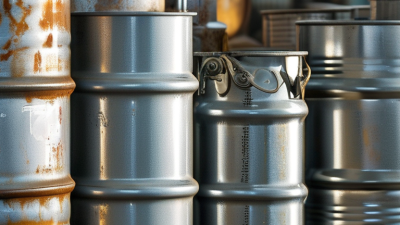
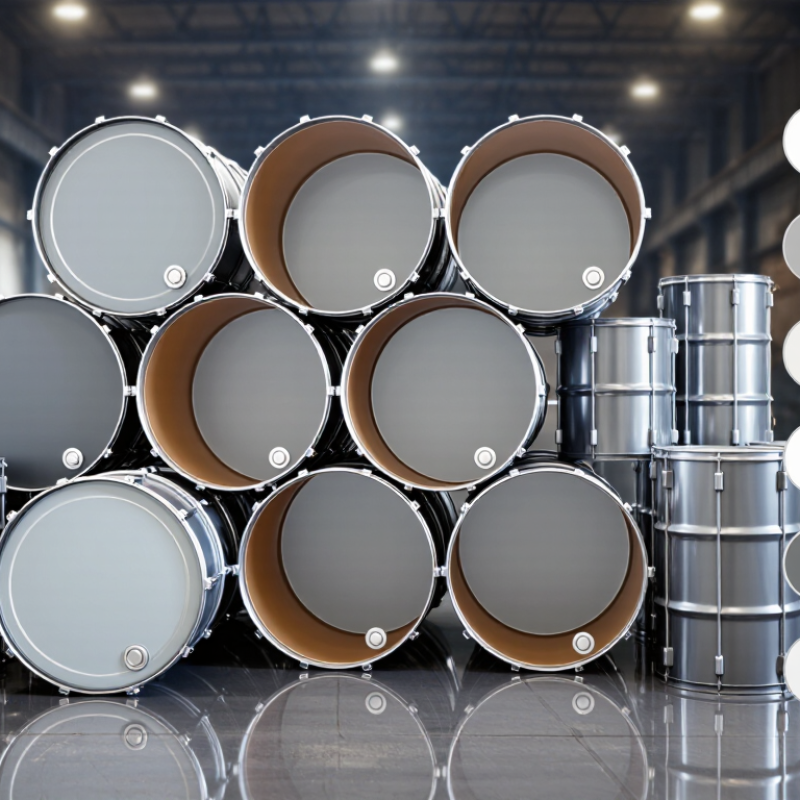
An empty iron drum is a reusable or disposable steel container designed to hold, protect, and move industrial materials. “Empty” describes its condition, not its purpose: the drum is built for filling, sealing, storage, and transport. Common features include a cylindrical body, reinforced rims, and either a removable lid or fixed head. Capacity and closure style vary by application.
In industrial packaging, these drums help keep liquids and dry materials contained during handling. Their rigid walls resist ordinary stacking pressure and bumps from warehouse equipment, though dents can still weaken a drum. A tight closure reduces leaks and exposure to moisture or dust. It does not make every drum suitable for every substance. The material, lining, seals, and previous use all matter.
Details count. A rough weld, damaged rim, or poorly seated lid can cause trouble on a busy loading floor. Buyers and operators should check dimensions, wall condition, closure fit, and handling requirements before use. Reuse may reduce packaging waste, but inspection takes time and is sometimes overlooked. The word “iron” is also commonly used in trade, although these containers are generally made from steel. That distinction is easy to miss.
Key Criteria for Ranking China’s Empty Iron Drum Manufacturers
Ranking China’s empty iron drum manufacturers requires more than comparing unit prices or factory size. Buyers should verify steel thickness, drum capacity, weld consistency, closure fit, and protective coating against written specifications. Ask for recent inspection records, not just a certificate on the wall. A practical audit can include measuring sample drums, checking seam uniformity, and reviewing leak-test procedures. Small details matter: a rough rim can complicate handling, while uneven coating may shorten service life.
Production scale also deserves careful interpretation. World Steel Association’s World Steel in Figures 2024 reports global crude steel production of about 1.89 billion tonnes in 2023. That figure signals a vast raw-material market, but it does not prove any individual drum maker’s reliability. Compare documented output with delivery records, raw-material traceability, and corrective-action history. Assess quality systems such as ISO 9001 alongside actual batch inspection results; certification alone is not a product guarantee. Request test reports for the intended drum size and use conditions. Look for clear evidence. No scorecard is perfect, and published capacity figures can be difficult to compare. A fair ranking should reward consistent quality, transparent data, responsive technical support, and realistic lead times—not polished claims alone.
Key Criteria for Evaluating China’s Empty Iron Drum Manufacturers
A suggested evaluation framework for comparing manufacturers—not a ranking of specific companies. Percentages are indicative assessment weights and should be adjusted to suit the buyer’s requirements.
Assess product quality and compliance alongside production capability, customization, delivery reliability, sustainability, and after-sales support. Verify claims against current certificates, audit records, product samples, and shipment history.
China’s Top 10 Empty Iron Drum Manufacturers
China’s Top 10 Empty Iron Drum Manufacturers should be compared by production consistency, not by promotional claims alone. Buyers can examine drum capacity, steel thickness, closure design, and surface treatment. These details affect handling and storage. A reliable supplier should provide clear specifications and explain how each batch is inspected.
Look closely at the seams. Ask how welds are checked, whether coatings are applied evenly, and how finished drums are protected during transport. Request a sample before placing a large order. Weigh it, inspect the lid fit, and check for rough edges or coating gaps. Small flaws matter. They can create extra work at the filling site.
A practical top-ten shortlist should also consider factory experience, communication, production capacity, and traceable quality records. Ask for recent inspection documents and confirm that listed specifications match the sample. Where possible, arrange an independent factory assessment. Rankings can change as equipment and management change, so treat any list as a starting point, not a guarantee. I would not judge a manufacturer from a polished catalogue alone; real production details deserve a closer look.
Product Types, Specifications, and Industry Applications
Empty iron drums are not one standard product. Buyers usually compare tight-head drums, open-head drums, and lined or unlined versions. Tight-head designs suit liquids; removable lids make open-head drums easier to load with powders or thicker materials. Common nominal capacities include 200 litres, but actual dimensions and tare weight vary by supplier. ISO 15750 covers steel drums, including removable-head and non-removable-head designs. Check the applicable part, closure system, coating, and handling requirements before comparing quotations.
Specifications affect real use. A drum’s steel thickness, seam construction, lid gasket, and internal lining influence durability and compatibility. For example, a lined drum can help protect contents from corrosion, but the lining must match the material being stored. The United Nations’ Recommendations on the Transport of Dangerous Goods also set performance-testing requirements for certain regulated shipments; not every drum needs the same certification. Details matter. Ask for test records and confirm capacity, stacking limits, and pallet fit.
Industry demand gives this product category wider context. Grand View Research estimated the global industrial packaging market at about USD 66.3 billion in 2023 and forecast a 3.9% compound annual growth rate from 2024 to 2030. Steel drums serve chemical, lubricant, food-ingredient, and manufacturing supply chains, where robust handling and return logistics can matter. Still, an empty drum is not automatically reusable. Inspect dents, seams, closures, and residue history; overlooking one can spoil an otherwise sound purchasing decision.
How to Select a Reliable Chinese Iron Drum Manufacturer
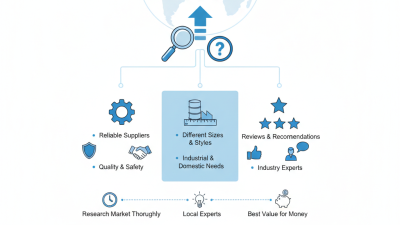
How to Select a Reliable Chinese Iron Drum Manufacturer
Choosing an iron drum manufacturer takes more than comparing quotations. Ask for recent test records, material specifications, and batch traceability. A dependable supplier can explain steel thickness, seam construction, coating type, and closure design in plain terms. Request samples and inspect the welds, rim, and interior coating under good light. Small flaws matter.
Check quality controls on the production floor, not only in a presentation. Ask how incoming steel is verified, how drum dimensions are measured, and how defects are recorded. The ISO Survey of Certifications reports millions of valid ISO 9001 certificates worldwide, but certification alone does not prove consistent drum quality. Review the certificate scope and confirm it covers the relevant manufacturing site. Then request third-party inspection or an agreed pre-shipment check.
Environmental performance can also inform supplier evaluation. APEAL’s 2022 report estimated an 82% recycling rate for steel packaging in Europe. That figure is not specific to iron drums or Chinese factories, but it highlights the value of recyclable steel and clear material information. Ask suppliers to document coatings and packaging choices.
Check the details. Some buyers overlook these questions until the first shipment arrives; that is an avoidable risk.
Sources: ISO Survey of Certifications, 2022; APEAL, Steel for Packaging Recycling, 2022.