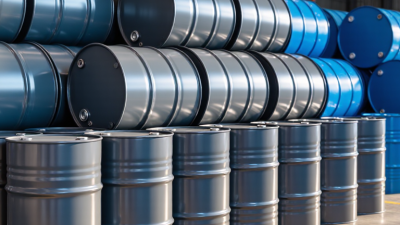
How to Choose the Best Iron Oil Drum for Global Buyers?
Choosing the best iron oil drum for global buyers begins with the oil itself. Viscosity, temperature, and storage time can affect the required drum design. A 200-liter drum may suit bulk shipments, while smaller sizes can simplify handling at a workshop. Capacity alone is not enough. Buyers should also check wall thickness, seam quality, closure type, and compatibility with the intended contents.
Look closely at the drum’s finish and construction. A consistent coating can help limit corrosion, but the right lining depends on the oil and storage conditions. Ask suppliers for product specifications, inspection records, and sample units when practical. Check that closures fit securely and that the drum remains stable when stacked or moved. Small details matter. A rough seam or poorly fitted lid can create avoidable problems during filling and transit.
Global purchasing adds more variables. Confirm dimensions, pallet requirements, shipping arrangements, and applicable destination-market standards before placing an order. Request clear documentation rather than relying on broad claims such as “heavy duty.” If possible, compare samples under realistic handling conditions; a catalog photo cannot reveal every weakness. There is no single best iron oil drum for every buyer. The strongest choice balances product compatibility, protection, handling, and total delivered cost. Even a careful checklist has limits, so review changing needs before repeating large orders.
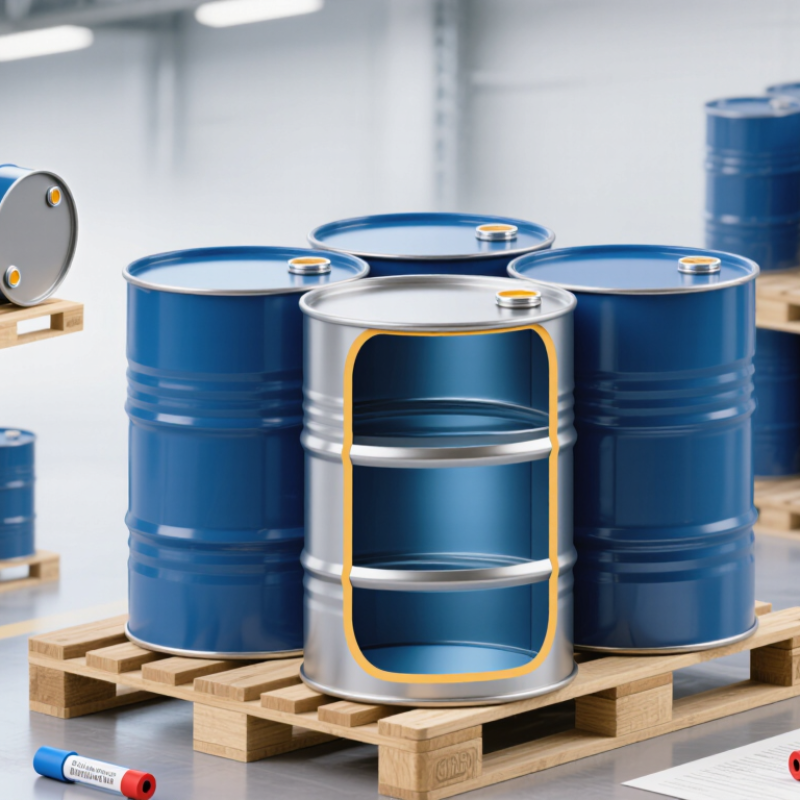
Identify the Oil Type, Intended Use, and Required Drum Capacity
Choosing the best iron oil drum starts with identifying the oil inside. Lubricating oil, hydraulic oil, edible oil, and industrial process oil may require different internal protections. Check the oil’s viscosity, additives, moisture sensitivity, and storage temperature. Do not guess. Some additives can attack coatings or accelerate corrosion. A clean, dry interior is essential when oil quality must remain stable. For sensitive products, request coating details, material specifications, and inspection records from the supplier.
Intended use also changes the drum selection. A drum for warehouse storage may need different handling features than one for frequent transport. Consider forklifts, drum clamps, stacking height, loading frequency, and outdoor exposure. A sealed lid can reduce contamination, while a removable lid improves access during filling and inspection. Galvanized or coated iron may offer stronger corrosion resistance, but neither option removes the need for proper storage. Keep drums upright and away from standing water. Small drums move easily. Large drums need safer handling equipment.
Capacity should match actual consumption, not only the lowest unit price. Common choices include 20-liter, 60-liter, 200-liter, and larger industrial capacities. Calculate daily usage, replenishment time, storage space, and acceptable leftover oil. A large drum may reduce packaging waste, yet it can increase handling risks and product aging after opening. Capacity is not simple. In practice, buyers sometimes choose oversized drums and later regret the wasted space. Confirm dimensional drawings, fill limits, tare weight, and local transport requirements before ordering.
Compare Drum Construction, Linings, Coatings, and Closure Designs
Choosing an iron oil drum starts with the steel, not its paint. In my inspections, consistent wall thickness has prevented dents during stacking and long-distance handling. Ask for measured thickness, weld inspection records, and clear capacity tolerances. Rolled seams should look even, without sharp edges or pinholes. Heavy drums feel reassuring, but extra weight can increase freight costs. That trade-off deserves calculation.
The lining must match the oil. Epoxy linings can resist many industrial oils, yet compatibility depends on temperature, acidity, and storage time. Request immersion-test data, curing details, and information about extractables when purity matters. Exterior coatings protect against humidity, salt air, and warehouse condensation. A thin decorative coat is not enough. Check dry-film thickness and adhesion after impact testing. I have seen attractive drums rust beneath damaged paint.
Closure design affects leakage, reuse, and opening speed. Threaded plugs with sound gaskets suit repeated handling, while sealed closures offer stronger protection against moisture and tampering. Inspect gasket material, torque requirements, and replacement availability near the destination. A closure can be excellent but still fail when operators lack the correct wrench. Ask for samples before ordering a full container. Compare drawings, test reports, and actual fit. Small details often decide whether a drum arrives clean, stable, and usable.
Verify Safety, Quality, and Regulatory Requirements in Target Markets
How to Choose the Best Iron Oil Drum for Global Buyers?
For global buyers, an iron oil drum is more than a storage container. It must survive handling, stacking, vibration, and changing weather. UNCTAD’s Review of Maritime Transport 2023 states that over 80% of world trade by volume moves by sea. This makes closure security and corrosion resistance essential. Check the drum’s steel thickness, internal coating, weld quality, and gasket performance. Request leak, pressure, and drop-test records from the supplier. A clean exterior does not prove safe performance.
Target-market rules can differ sharply. The UN Model Regulations, 23rd revised edition, require approved packaging performance standards for many dangerous goods. Road shipments may follow ADR, while sea cargo commonly follows the IMDG Code. Confirm the correct UN packaging mark, drum group, filling limit, and labeling requirements before purchase. For chemical oils, review local chemical registration and worker-safety rules. Requirements may change. Recheck them before every major shipment.
Tips: Ask for recent test certificates, not screenshots. Match the coating with the oil’s chemical properties. Inspect sample drums for sharp edges, dented rims, and uneven seams. Keep batch records and photographs. I have seen buyers focus on price and overlook closure torque. That small mistake can create leakage, rejected cargo, and costly delays. Independent inspection is worthwhile, although it may feel excessive for a small order.
How to Choose the Best Iron Oil Drum for Global Buyers
Typical regulatory verification checkpoints before exporting steel oil drums
The chart compares practical pre-shipment verification areas commonly associated with major international transport and chemical-safety frameworks. UN packaging marks, hazard labels, closure and leak controls, transport documentation, and safety data information should be checked against the latest requirements in the destination market. The number of checkpoints is a purchasing guide, not a legal compliance score.
Assess Supplier Reliability, Customization Options, and Total Cost
How to Choose the Best Iron Oil Drum for Global Buyers?
Assess Supplier Reliability, Customization Options, and Total Cost
A dependable supplier should provide traceable material specifications, production records, and repeatable inspection results—not just a low quote. Ask for drum samples and check the seams, closures, coating consistency, and welds. Request test records for leakage and stacking strength, then confirm how defects are handled. Small details matter. The World Bank’s 2023 Logistics Performance Index assessed 139 economies, highlighting factors such as shipment tracking and delivery timeliness. Use these as prompts when reviewing a supplier’s export history, communication speed, and ability to share shipment updates. A polished audit file helps, but it cannot guarantee consistent production.
Customization can include drum capacity, wall thickness, closure type, internal lining, and printed handling information. Specify each item in a written drawing or sample approval; vague color or coating descriptions can lead to costly rework. Compare total landed cost, including tooling, packaging, freight, duties, inspection, and potential rejects. The European steel-packaging association APEAL reported an 80.5% recycling rate for steel packaging in Europe in 2022. That figure is regional, not a guarantee for every drum or destination, but it can inform material-recovery discussions. I would still question whether a cheaper, thinner drum saves money after transport damage or shorter service life. A quote alone rarely tells the whole story.